Using Transcript Tools on Amarok Linux for Faster Video Edits
Video editing on Amarok Linux moves faster when the groundwork is already done for you. A transcript tool that pulls text from a YouTube link removes the long routine of replaying lines. One example would be trimming a five minute clip by matching dialogue to your timeline with much less back and forth. You can start by sending a link into a transcript tool that lets you generate YouTube transcripts with a single paste.
Summary
A transcript site helps turn spoken content into clean text ready for editing. You can pull ideas, create summaries, mark speakers, and map sections without hunting through audio. The range of follow up tools supports everyday creators and also fits how Amarok Linux users like to shape their own workflow. This piece looks at ways those tools sit inside video planning, refinement, and publishing.
Why transcript text keeps editing work simple
Editors lose time jumping through a clip to grab lines or check meaning. Transcript tools remove much of that friction. You get a Clean Script for steady review, Short Summary for fast recall, and Notable Quotes for lines worth saving. This flow trims work by 1 setup step, 3 copy steps, and 2 rewrite passes.
Smooth system behavior also helps during heavy editing. If your machine slows while scrubbing sound or video, the guide on fixing hardware bottlenecks gives you ways to keep performance steady. Less stutter means easier work with transcripts and timelines.
Many clips also turn into small outputs such as Tweet Ideas, Viral Clips, or Short Summary. These help creators and developers reuse content in channels beyond the main edit. Amarok Linux suits this because users often keep several tools visible in one layout.
Using transcripts to plan edits and follow up materials
A full transcript often becomes the base for several drafts. You might start with Clean Script, then pull Key Insights, or shape Outline Notes to give structure. Cornell Notes works well for videos with heavy detail. Flashcards help if you need a quick recall later.
Creators who also prepare visuals often pair their transcript flow with graphics or layout work. Those tasks become easier when supported by open source design tools that run well on Amarok Linux. Many editors keep both their transcript and visual drafts open at once.
Below is a short list of ways transcripts support faster work:
- Fast scene checks You match dialogue with your timeline without replaying whole sections.
- Better planning Clean Script helps form tighter edits with fewer surprises.
- Smaller posts Tools such as Twitter Thread or Short Summary help shape quick shares.
- Research structure Cornell Notes or Rapid Logging keep longer clips organized.
- Pattern review Extract Patterns shows what repeats across segments.
- Clip choices Viral Clips points toward moments worth isolating.
- Team work Concept Map or flashcards help share understanding across groups.
- Reference pulls Extract Wisdom highlights lines worth citing.
- Long draft prep Blog Article and Blog Outline support deeper writing.
These steps fit the way many Amarok Linux users manage windows and tasks. They often set up a clean workspace with both text and video visible.
How different features support practical editing
Transcript sites offer many features, and a compact table can help compare core tasks.
| Feature | What it does | Best for | Time saved per video |
| Clean Script | Creates tidy dialogue text | Cut planning | 5 to 10 minutes |
| Short Summary | Condenses main flow | Fast review | 3 to 6 minutes |
| Key Insights | Highlights strong ideas | Scene choices | 4 to 8 minutes |
| Notable Quotes | Lists memorable lines | Social posts | 2 to 4 minutes |
| Extract Ideas | Finds core themes | Outlines | 4 to 7 minutes |
Clear audio also matters during transcript work. If you need fewer sync issues or cleaner playback, the guide on fixing audio latency can help keep your review accurate.
Longer videos often benefit from features such as Long Summary, Q and A, or Reference extraction. They help you confirm the clip’s direction while staying inside Amarok Linux without switching devices.
Keeping track of ideas inside larger projects
Teams often juggle several outputs at once. They keep small notes, prepare cut instructions, and shape posts for other channels. Transcript tools help pull
• quotes
• key points
• clip ideas
from the same original text without extra steps.
Developers who prepare training clips or tutorials often use Outline Notes or QEC Method to keep each section steady. Predictive tools such as Predictions or Extract Insights can also show how topics progress across the clip. Q and A Split Page works well for interview or lecture formats because it keeps prompts and answers in view at the same time.
These methods suit Amarok Linux because the system handles multiple panes and editors without getting in the way.
A small example of transcript workflow on Amarok Linux
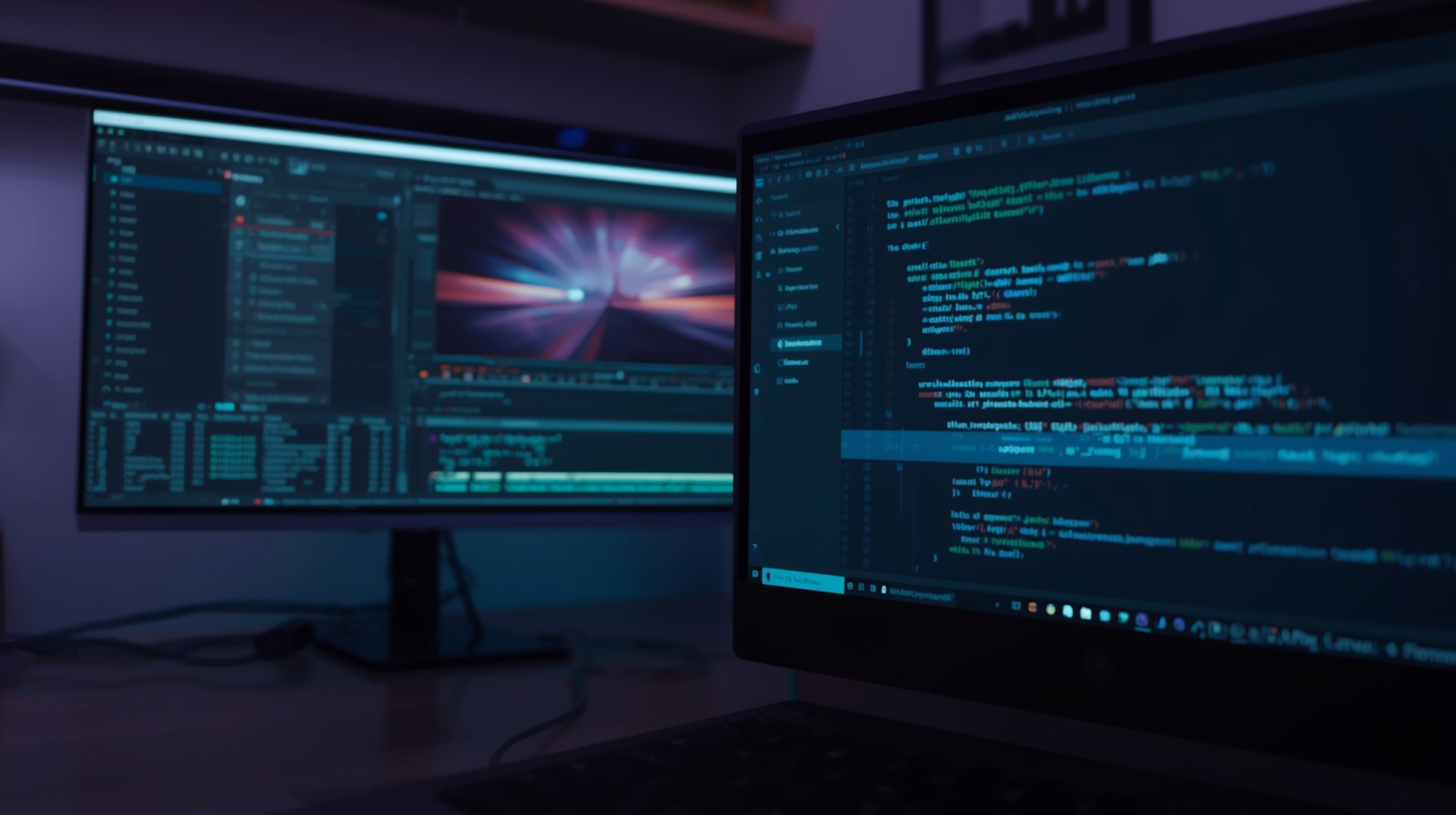
Picture a creator editing a ten minute walkthrough. They paste the YouTube link into the transcript site. The Clean Script appears first. Key Insights highlights strong parts for short clips. Extract Patterns shows repeated steps. They place their editor on one side and the transcript on the other. Every move becomes simpler because they confirm timing rather than dialogue.
Another case might be a developer preparing documentation from a recorded talk. They use Long Summary for a quick view, then Cornell Notes for structure. They finish with a Blog Article draft to set the final text. These steps save hours because the transcript gives shape to the entire session.
Why text based editing feels smoother on Amarok Linux
Many editors like to read how film work has changed over time because it offers context for their own process. A helpful source such as the history of film editing from a respected cultural archive gives a simple frame for how transcripts support careful cuts. Tools that turn spoken words into text fit well on Amarok Linux because they keep your workflow steady and grounded. Try pulling a transcript for your next clip and see how much easier it becomes to plan your timeline.